
The short answer
We could confirm no timetabled bus between Farafra and Dakhla for 2026, so plan that leg as a hired car. The rest of the oasis road has public transport: Cairo to Bawiti and Farafra, Mut to Kharga, and Kharga to Assiut. Kharga to Luxor needs a hired car, and the White Desert still needs a licensed 4x4.
Ask us on WhatsAppThe short answer, route by route
Short answer: Buses cover Cairo to Bawiti and Farafra, Mut to Kharga and Kharga to Assiut. Farafra to Mut is the weak link, and Kharga to Luxor has no public service.
Each row says what we could confirm from published sources in November 2026. Times and fares on the oasis road change with fuel prices and the season, and nobody publishes a full timetable. Treat every time below as something to confirm at the ticket window a day ahead.
| Route | Operator | Leaves from | Typical times | Duration | Fare | Book ahead? | Checked |
|---|---|---|---|---|---|---|---|
| Cairo – Bawiti (Bahariya) | Upper Egypt Bus, EG Bus | Central Cairo; confirm the terminal when you buy | At least one a day; the Farafra buses below stop here too | About 5–6 hours | Around EGP 100 at Wikivoyage's last update; expect more now, and check at the window | Yes, a day ahead | November 2026 |
| Bawiti – Qasr Farafra | Cairo buses that continue south | Bawiti centre | Cairo departures to Farafra are listed at 07:00, 11:30, 16:00 and 18:00 on 12Go; add 5–6 hours for Bawiti | About 3 hours (Wikivoyage) | Ask in Bawiti | Yes; seats can be full from Cairo | November 2026 |
| Qasr Farafra – Mut (Dakhla) | No confirmed bus in 2026 | Farafra bus stop, on the main road | Ask locally; hired car otherwise | About 4 hours by car | Ask locally | Arrange the day before | November 2026 |
| Mut – Kharga | Upper Egypt Bus, microbuses | Mut bus stand, just north of the main road junction (Wikivoyage) | Daily; the Assiut buses run on between Kharga and Dakhla (Wikivoyage) | About 2.5–3 hours | Ask in Mut | Usually not | November 2026 |
| Kharga – Assiut | Upper Egypt Bus | Kharga bus station | Daily; the morning bus from Assiut leaves at about 08:00 (Wikivoyage) | 3–4 hours | Ask in Kharga | Usually not | November 2026 |
| Kharga – Luxor | No public service on the direct road (Wikivoyage); buses and minibuses only go as far as Baris | — | Hired car with driver, or bus to Assiut and train south | About 3.5–5 hours by car | Car price on request | Arrange the day before | November 2026 |
Two points stand out. First, the only leg where you can book with any confidence before you arrive is Cairo to Bawiti or Farafra. Second, the Farafra–Mut gap decides whether a public-transport trip is practical at all. If you can't confirm a seat there, the trip needs at least one car.
The oasis road in kilometres
Short answer: About 370 km from Cairo to Bawiti, 180 km on to Farafra, 300 km to Mut, 190 km to Kharga, then 250–340 km to Luxor.
| From | To | Road distance (approx.) | What's in between |
|---|---|---|---|
| Cairo | Bawiti, Bahariya | ~370 km | Gravel plain, one café stop |
| Bawiti | Qasr Farafra | ~180 km | The Black Desert, Crystal Mountain, Agabat and the White Desert, all beside the road |
| Qasr Farafra | Mut, Dakhla | ~300–310 km | Abu Minqar, a small farming outpost, then open desert |
| Mut | Kharga | ~190–200 km | Open desert, Roman forts off the road |
| Kharga | Assiut | Roughly 200 km or more; Kharga lies about 200 km west of the Nile Valley (Wikipedia) | The climb up the Kharga escarpment, then down to the Nile |
| Kharga | Luxor | ~250–340 km, by the road you take | Baris, then the Luxor road across the plateau |
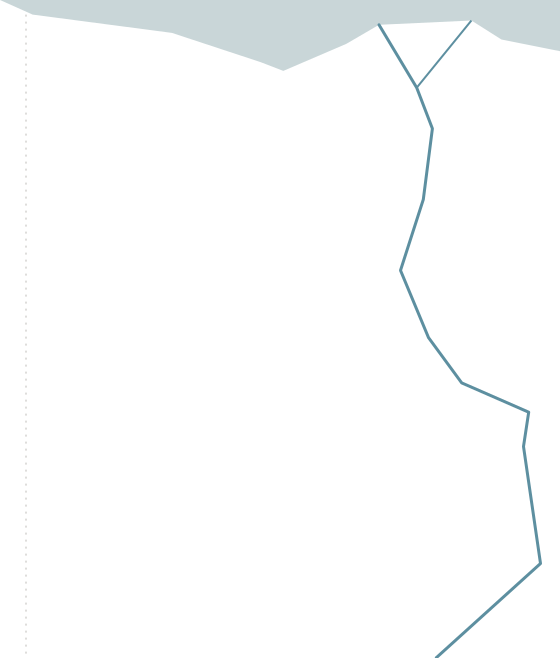
The map below shows the same road with every oasis on it. Distances from Cairo to Bawiti and from Farafra to Luxor are the ones we drive, taken from our oasis loop route notes.
How the microbuses work
Short answer: White minivans that leave when full, from a stand in each town, with cash fares paid to the driver.
Between the bigger buses, oasis towns are linked by microbuses: white minivans. They don't run to a timetable. The driver waits at the stand until every seat is sold, then goes. Early morning is the busiest time, and by mid-afternoon you may wait an hour or more, or find nothing leaving at all. If you're in a hurry, you can buy the empty seats yourself and leave at once.
- Where they gather: at or beside the bus stand in each town. In Qasr Farafra that's the main bus stop on the main road, at the crossroads with the road east to El Wahat; in Mut, the stand just north of the main road junction; in Kharga, ask for the microbus stand near the bus station.
- Paying: cash in Egyptian pounds, ideally the exact fare. Ask another passenger what they're paying.
- Luggage: on the roof or across your knees. A large suitcase may cost an extra seat.
- Language: drivers call the destination in Arabic. Learn the town names as locals say them: Bawiti, Farafra, Mut or Dakhla, and Kharga.
What foreigners can and can't ride
There's no published rule on foreigners in microbuses on the oasis road. What happens depends on the checkpoint and the officer on the day. You may pass with a glance at your passport. You may be held while your details are phoned through. Occasionally you'll be asked to continue with a police car behind you, or to go back. Big buses draw less attention than microbuses, and a booked car with a licensed driver draws the least.
At every checkpoint, have your original passport in your hand, not in your bag on the roof. Police copy the name and number and sometimes ask where you're sleeping, so keep your hotel name ready. Don't photograph checkpoints or police posts.
Permits and police escorts in 2026
Short answer: No permit to ride the road; a permit and licensed guide for the desert itself. Current UK advice covers the whole loop road to Luxor, but not the Assiut road.
On the road: you don't need a permit to ride a bus or microbus between the oasis towns. You need your passport.
In the desert: the White and Black deserts, Crystal Mountain, Agabat and anywhere off the tarmac need a permit arranged in advance and a licensed guide. That's why the bus can't take you into the park. See permits and safety.
Government advice: Britain's Foreign Office (FCDO) warns against all but essential travel west of the Nile Valley, with exceptions. In November 2026 its exceptions include the oasis towns of Bahariya, Farafra, Dakhla (Mut) and Kharga, the White and Black deserts, the road from Giza to Farafra, the road on from Farafra through Dakhla to Kharga, and the roads from Kharga to Baris and from Baris to Luxor. The road from Kharga down to Assiut isn't on that list. Your own government's advice may differ, and your insurer will follow it, so read both before you plan the route.
Which legs may need a car: Farafra to Mut, because no bus is confirmed, and Kharga to Luxor, because no public service runs. A hired car on these roads stops at every checkpoint like any other, and your driver handles the police paperwork.
A Cairo to Luxor trip by public transport
Short answer: Five to seven days, with the desert night booked from Bawiti and cars for the two gaps.
| Day | Route | How | Night |
|---|---|---|---|
| 1 | Cairo to Bawiti | Morning bus, about 5–6 hours | Bawiti lodge |
| 2 | Bawiti to the White Desert | Our overnight trip from Bawiti, by 4x4 | Desert camp |
| 3 | White Desert back to Bawiti, then south | Back in Bawiti by late morning; afternoon bus to Farafra if one is running | Qasr Farafra |
| 4 | Farafra to Mut | Hired car, or a bus or microbus if one is confirmed locally | Dakhla |
| 5 | Dakhla | Al-Qasr and Deir el-Hagar by local bus or taxi | Dakhla |
| 6 | Mut to Kharga | Morning bus or microbus | Kharga |
| 7 | Kharga to Luxor | Hired car, or bus to Assiut and the train south | Luxor |
For five days, skip day 5 and go on from Kharga the same afternoon you arrive. The plan works in reverse too, with the desert night at the end. That version takes the Mut–Kharga bus and the Farafra car first, and ends with the trip from Bawiti and the bus back to Cairo.
Book the desert night before you leave home. It's the one part of the trip that can't be sorted on arrival, because the permit needs your passport details one day before. If you'd rather camp nearer Farafra and carry on south from there, ask us when you book; Farafra is on our three-day trip route. For the sights in each oasis, see Farafra and Dakhla and Kharga.
Where buses don't help
Short answer: Inside White Desert National Park. The bus drives past the formations, but you need a licensed 4x4 to stop among them.
The Farafra bus runs right through the White Desert on the main road, and the first chalk towers are visible from the window. That's as close as public transport gets. The formations, the camps and the sunrise spots are off the tarmac in a protected area, reached on sand tracks by experienced desert drivers. You need an operator with a 4x4, a permit and the park ticket. Our overnight trip from Bawiti is built around the Cairo bus. Visiting independently explains what you can and can't do on your own, and how to choose an operator lists what to ask.
Bus or private car?
Short answer: The bus and a shared seat from Bawiti is the cheapest way in; a private trip from Cairo costs more per person but saves the bus and about half a day.
For the White Desert part of the trip, here is what each option costs per person, using our current prices for the 2026–27 season.
| Group | Bus to Bawiti + shared trip from Bawiti | Bus to Bawiti + private trip from Bawiti | Private trip from Cairo, car included |
|---|---|---|---|
| 1 person | About US$130–190, plus the bus | Priced in your quote | About US$465–605 |
| 2 people | About US$130–190 each, plus the bus | About US$255–345 each, plus the bus | About US$360–460 each |
| 3 people | About US$130–190 each, plus the bus | Priced in your quote | About US$300–385 each |
| 4 people | About US$130–190 each, plus the bus | Priced in your quote | About US$265–340 each |
A shared seat from Cairo, car included, is about US$185–230 per person, so for a solo traveller the bus route saves roughly US$40–55 before the bus fare, and costs about half a day. For the long legs south of Farafra, a car with driver is quoted per car, not per person, so its cost per head halves for two and quarters for four. Ask us for a quote for the whole road to Luxor. See what the trip costs for how group size moves the price.
Tips for the oasis road
Short answer: Carry cash, your passport and water; travel early in the day; and confirm the next leg before you leave each town.
- Cash: carry enough Egyptian pounds for two or three days. ATMs in Bawiti, Mut and Kharga can run dry. See money and ATMs.
- Start early: buses and full microbuses cluster in the morning. Afternoon departures are fewer and may not run.
- Confirm the next leg: ask at the stand, your hotel and any driver the day before. Three answers that agree are worth more than one website.
- Water and food: 1.5 litres a person on each leg, and snacks. Roadside stops are few south of Farafra.
- Buffers: don't book a flight out of Luxor or Cairo for the day you arrive by road.
- Sleeping: see hotels in Farafra and hotels in Bahariya for the northern towns.
Our advice
Short answer: Use the bus where it's reliable, book cars for the two gaps, and fix the desert night first.
The bus is a good way to reach Bawiti and an honest way to see the oasis road. South of Farafra, though, public transport gets thin, and a missed connection can cost you a day in a town with little to do. For most travellers the best mix is the bus to Bawiti, the desert with a licensed crew, and a hired car for Farafra to Mut and Kharga to Luxor. If you're coming from the south, read from Luxor first. For the cheapest way to the gateway town, start with the bus to Bahariya.
Map
Where the White Desert is
Egypt’s Western Desert, with the oases at their true positions. Tap a place to read its guide.
- The White Desert
- Towns and oases
- Desert sites
- Main desert roads
Positions are true latitude and longitude. The desert sites between Bawiti and Farafra are approximate, because they spread over many kilometres. Dashed lines are the main desert roads.
Questions people ask
Is there a bus from Dakhla to Farafra?+
Not one we could confirm for 2026. Upper Egypt buses used to run north from Mut through Abu Minqar to Farafra, but [Wikivoyage](https://en.wikivoyage.org/wiki/Farafra) could not confirm them running even in 2020. Ask at the Mut bus stand the day before; if nothing is going, a hired car with driver covers the 300 km in about four hours.
Is there a bus from Luxor to the White Desert?+
No. Nothing public runs on the direct road from Luxor to Kharga. By bus you would go up the Nile to Assiut, west to Kharga, on to Dakhla, and then face the uncertain Dakhla–Farafra gap: three or four days before you see any chalk. Most people fly or take the train to Cairo and start there.
Can I buy oasis bus tickets online?+
Partly. [12Go](https://12go.com/en/operator/eg-bus) lists EG Bus departures from Cairo to Qasr Farafra, but at least one review there describes a bus that never came. Tickets between the oases themselves, and every microbus seat, are bought in cash at the stand or from the driver.
Are the oasis buses safe at night?+
The long-distance buses on the oasis road are ordinary services used by oasis families. We still prefer daylight on the open desert legs, where there are trucks, no street lights and very few places to stop. Check your government's advice for each road before you book.
Is there a train to the oases?+
No. No passenger trains run to Bahariya, Farafra, Dakhla or Kharga. Kharga had a train service in the early 1900s and a newer line in the 1990s, but [trains no longer run there](https://en.wikivoyage.org/wiki/Kharga_Oasis). The nearest stations are Assiut and Luxor in the Nile Valley, on the main Cairo–Aswan line.
Do foreigners need a permit to ride the bus between the oases?+
Not for the bus itself, but you must carry your passport, which police check and copy at checkpoints. A permit is needed for the desert, not the road: the White Desert, Black Desert and the off-road sites need a permit arranged in advance and a licensed guide.
Can I take a microbus from Bawiti to the White Desert?+
A microbus to Farafra drives straight past the White Desert on the main road, but it won't stop in the park for you, and you can't walk in. You need a licensed operator's 4x4, a desert driver, the permit and the park ticket. We meet the Cairo bus in Bawiti.
Go with us
Trips that include this
2 days, 1 night
White Desert overnight from Bawiti: we meet you off the Cairo busAbout US$130 to 190 shared · US$255 to 345 private, per person
Check dates
3 days, 2 nights
3-day White Desert tour: Bahariya, the White Desert and two nights outAbout US$495 to 660 per person for two travellers, private
Check dates