
9 guides
History and culture
The geology, the people and the stories behind the landscape.
Bahariya's ancient sites lie in or near Bawiti: the Golden Mummies museum, the painted 26th-dynasty tombs of Zed-Amun-ef-ankh and Bannentiu, the tomb of Amenhotep Huy, the Ain el-Muftella chapels and the Temple of Alexander. A combined ticket, about EGP 400 for foreigners since 1 October 2026 (was about EGP 100), usually covers the main sites; check on the day and allow 3–4 hours.
Every site in one table
Short answer: The museum and the two painted tombs are the essentials, all within a few minutes of central Bawiti; the Temple of Alexander and English Mountain are a short drive out.
| Site | Where in or near Bawiti | What's there | Time needed | On our trips |
|---|---|---|---|---|
| Golden Mummies museum | On the main road in central Bawiti | A selection of gilded Greco-Roman mummies and finds from the oasis | 20–30 minutes | 3-day: yes, entry included. 2-day: no |
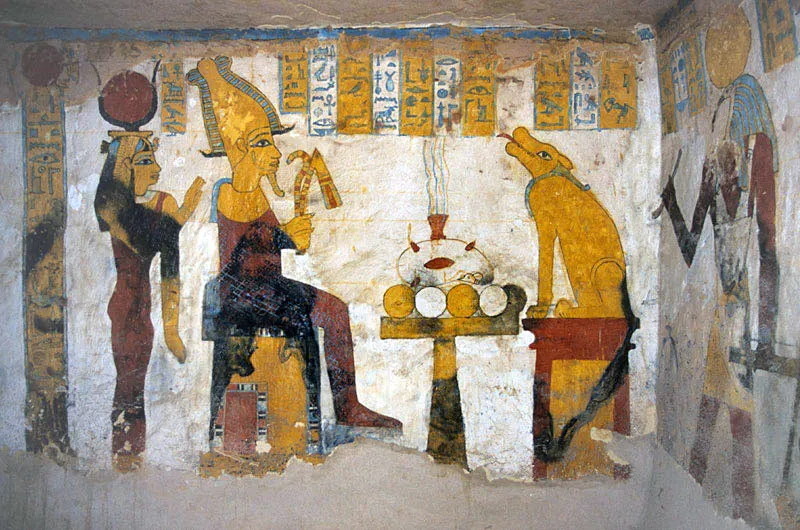
| Tombs of Zed-Amun-ef-ankh and Bannentiu | Qarat Qasr Salim, a low hill a few minutes from the centre | Two painted 26th-dynasty family tombs, reached by steep stairs | 30–45 minutes | 3-day: yes, day 1 (ticket paid on the day). 2-day: no |
| Tomb of Amenhotep Huy (details) | The ridge of Qarat el-Hilwa, just outside town | A New Kingdom governor's tomb, faded, with a view over the palms | 20 minutes | Ask us |
| Ain el-Muftella (details) | Western edge of Bawiti, about 3 km from the centre | Four 26th-dynasty chapels with carved and painted reliefs, at ground level | 20–30 minutes | Ask us |
| Temple of Alexander | Qasr el-Miqisba, about 5 km west of Bawiti | Low sandstone walls of a sanctuary and priests' rooms bearing Alexander's name | 20–30 minutes | Ask us to add it to the 3-day trip |
| English Mountain | Just outside Bawiti | A dark hill topped by the ruins of a First World War British lookout | About 45 minutes, best at sunset | 3-day: yes, day 1 sunset. 2-day: no |
The ticket: checked November 2026
Short answer: About EGP 400 for foreigners since 1 October 2026 (was about EGP 100); check on the day, pay in cash and start early.
- Price: about EGP 400 for foreigners since 1 October 2026 (was about EGP 100); check on the day. The same line is on what a trip costs.
- Where: a combined ticket has usually been sold at the museum in Bawiti. Guards at the tombs check it.
- Payment: Egyptian pounds in cash. See money and ATMs.
- Hours: the sites open in the morning and close by mid-afternoon. Hours change, so ask us to check them for your day.
- Photography: often restricted inside the painted tombs, or charged separately. Ask first, and never use flash on painted walls.
The site ticket is separate from the White Desert park fee. That is a government protected-area fee for foreign visitors, collected through the operator and shown as its own line in your quote; see the national park.
Which trip includes the sites
Short answer: Only the three-day trip has time for Bawiti's sites; the two-day trip stops in Bawiti for lunch.
| Two-day overnight | Three-day trip | |
|---|---|---|
| Time in Bawiti | Lunch stop | Afternoon of day 1 |
| Museum | Not on the route | Entry included |
| Painted tombs | Not on the route | Visited; ticket paid on the day |
| English Mountain | No | Sunset on day 1 |
| Indicative price | About US$185 to 230 shared, US$360 to 460 private, per person | About US$495 to 660 per person for two travellers, private |
If you are already in the oasis, you can also see the sites on a free morning before or after a trip. Our Bahariya Oasis and Bawiti guide has a half-day plan with a warm spring; see also hot springs.
Beyond the monuments
Short answer: The rest of Bahariya's story is about rocks, fossils, explorers and the people of the oases; most of it you meet in the desert itself, not at a ticket office.
| Topic | Where you meet it | What there is to see |
|---|---|---|
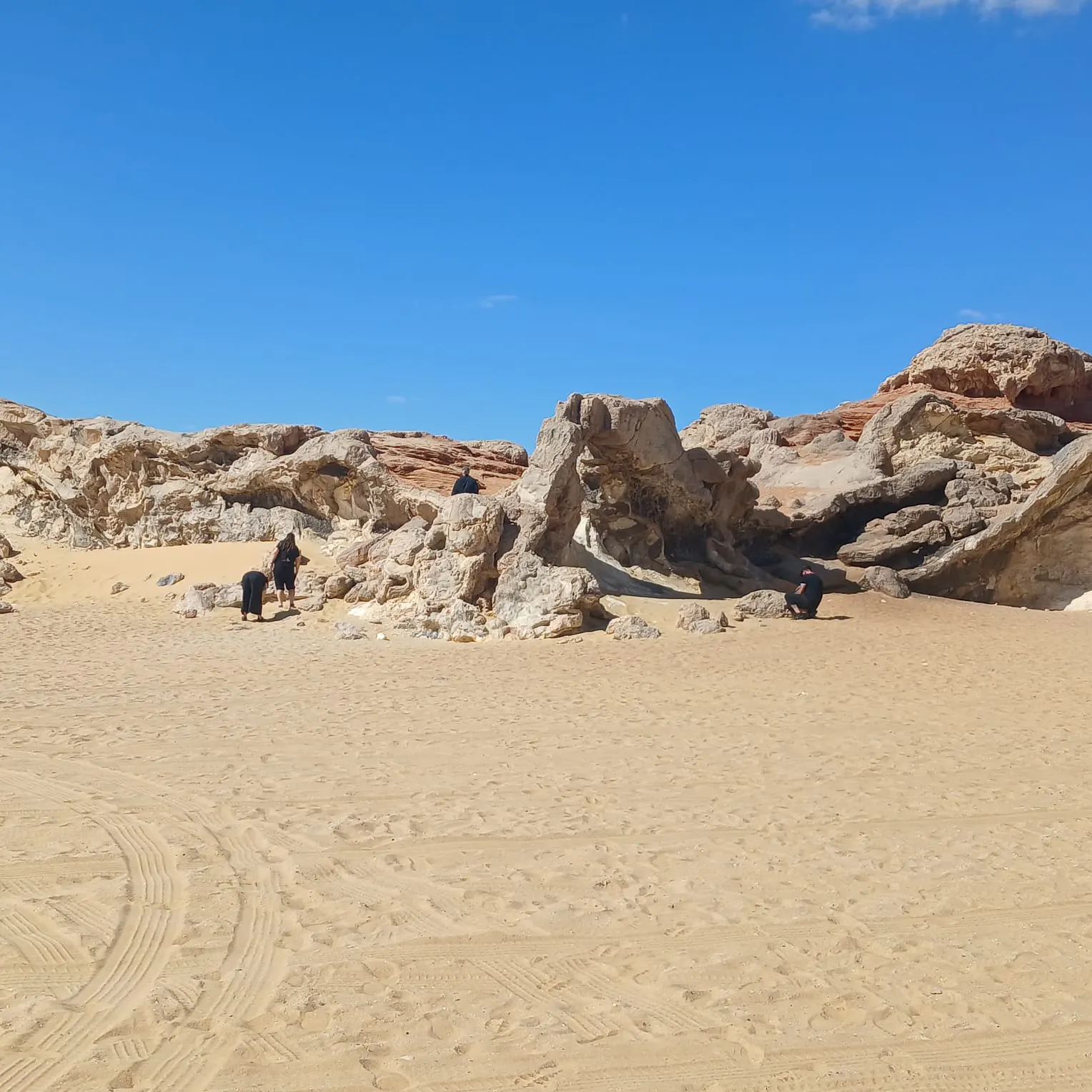
| Geology: how the White Desert formed | The chalk formations of the White Desert National Park | Chalk and limestone from a sea floor of 70 to 80 million years ago, carved by wind into towers |
| Fossils and "desert flowers" | Among the chalk on walks in the White Desert | Small fossil shells, sea urchins and iron nodules; protected, so leave them where they lie |
| Dinosaurs of Bahariya | Bahariya Oasis | No bones on display; the hills where Spinosaurus and Paralititan were found |
| Explorers of the Western Desert | The Djara cave, recorded by Gerhard Rohlfs in the 1870s | The routes of Rohlfs, Bagnold and Almásy |
| Oasis life and food | Bawiti and Farafra | Springs, palm groves, olives and dates, and home-style oasis food |
| The history of the Western Desert | The whole route from Bawiti south | From prehistoric rock art to the First World War lookout |
Pages on these topics are listed below.
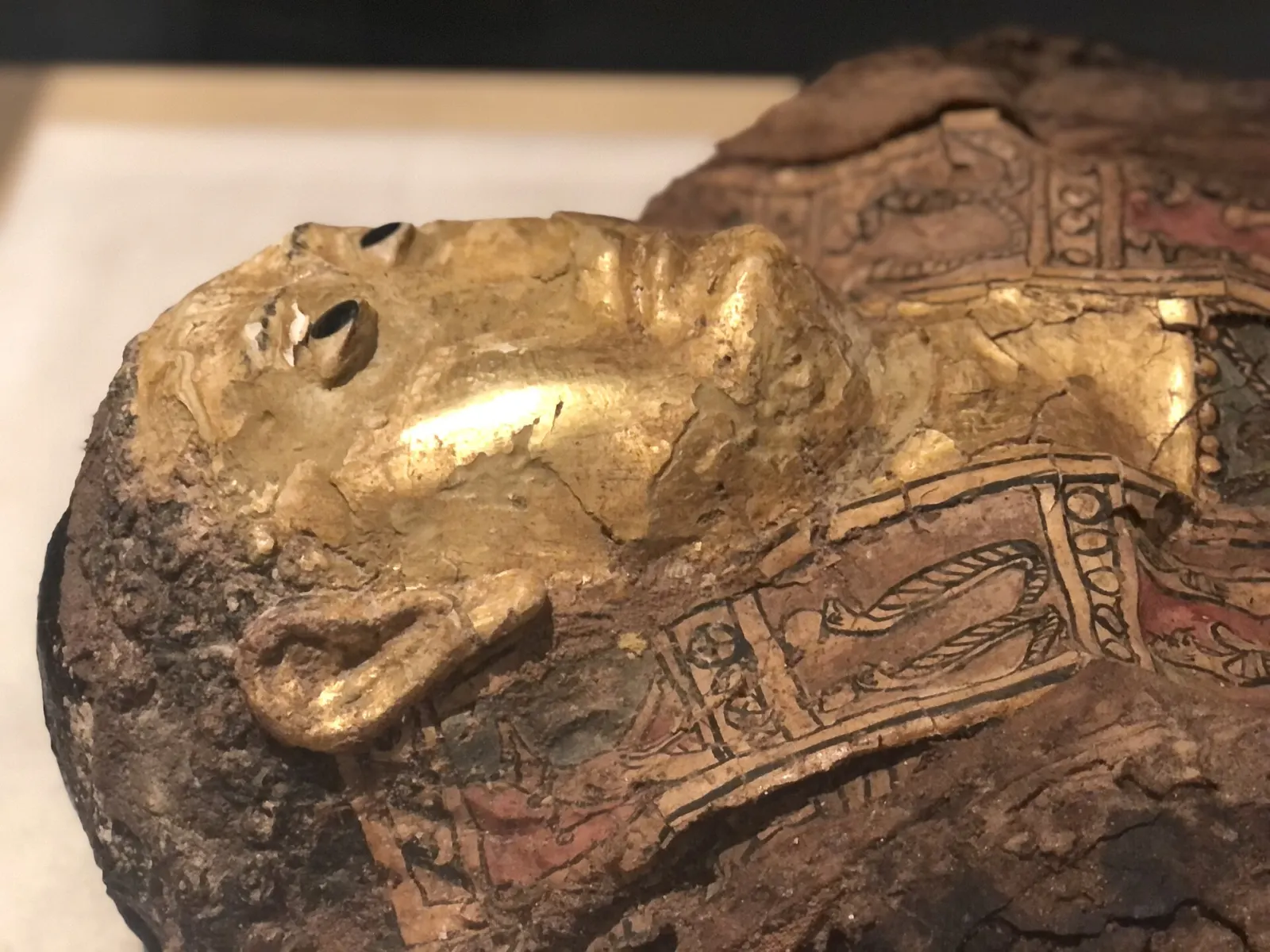 Start here · 9 min readThe Golden Mummies of BahariyaRead the guide
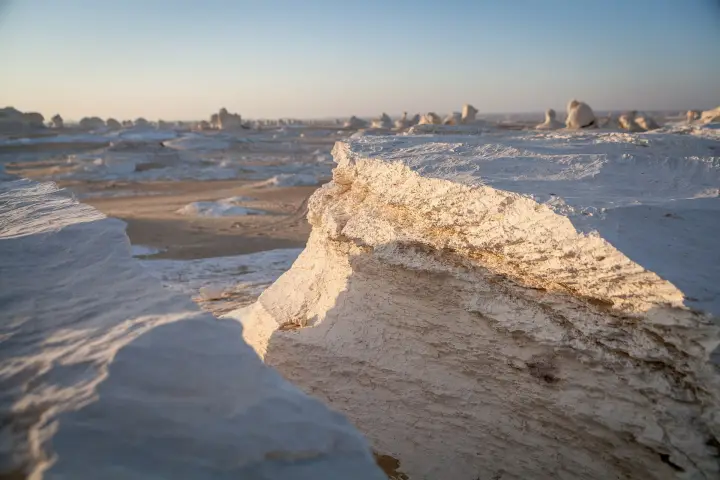 Popular · 9 min readHow the White Desert formed: geology and the name explainedRead the guide
More guides
10 min read
Bahariya's painted tombs and ancient sites: what to see and tickets
Bahariya has more ancient sites than most White Desert visitors realise. In Bawiti, the painted tombs of Zed-Amun-ef-ankh and his son Bannentiu, from the 26th dynasty, are the highlight. Nearby are the tomb of the governor Amenhotep Huy, the chapels of Ain el-Muftella, the Temple of Alexander and the museum with the Golden Mummies. Allow a morning for them.
8 min read
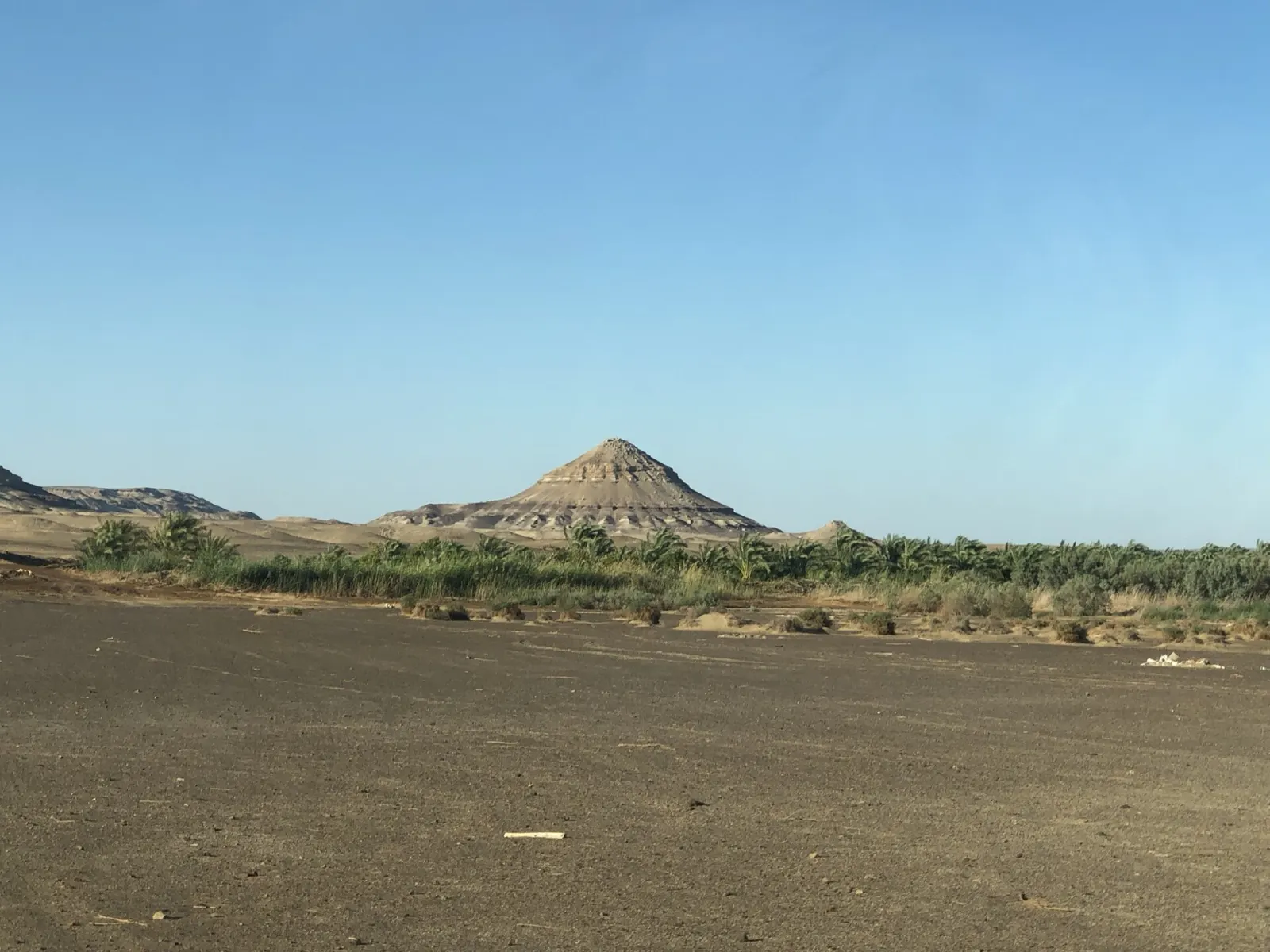
Dinosaurs of Bahariya: Spinosaurus and Paralititan
Six dinosaur names have come from Bahariya's rocks, which are roughly 95 to 100 million years old. Ernst Stromer named Spinosaurus from here in 1915; his specimens were destroyed in the bombing of Munich in April 1944. In 2001 a University of Pennsylvania team published Paralititan, a giant sauropod. There is no museum display in the oasis; you visit the landscape.
10 min read
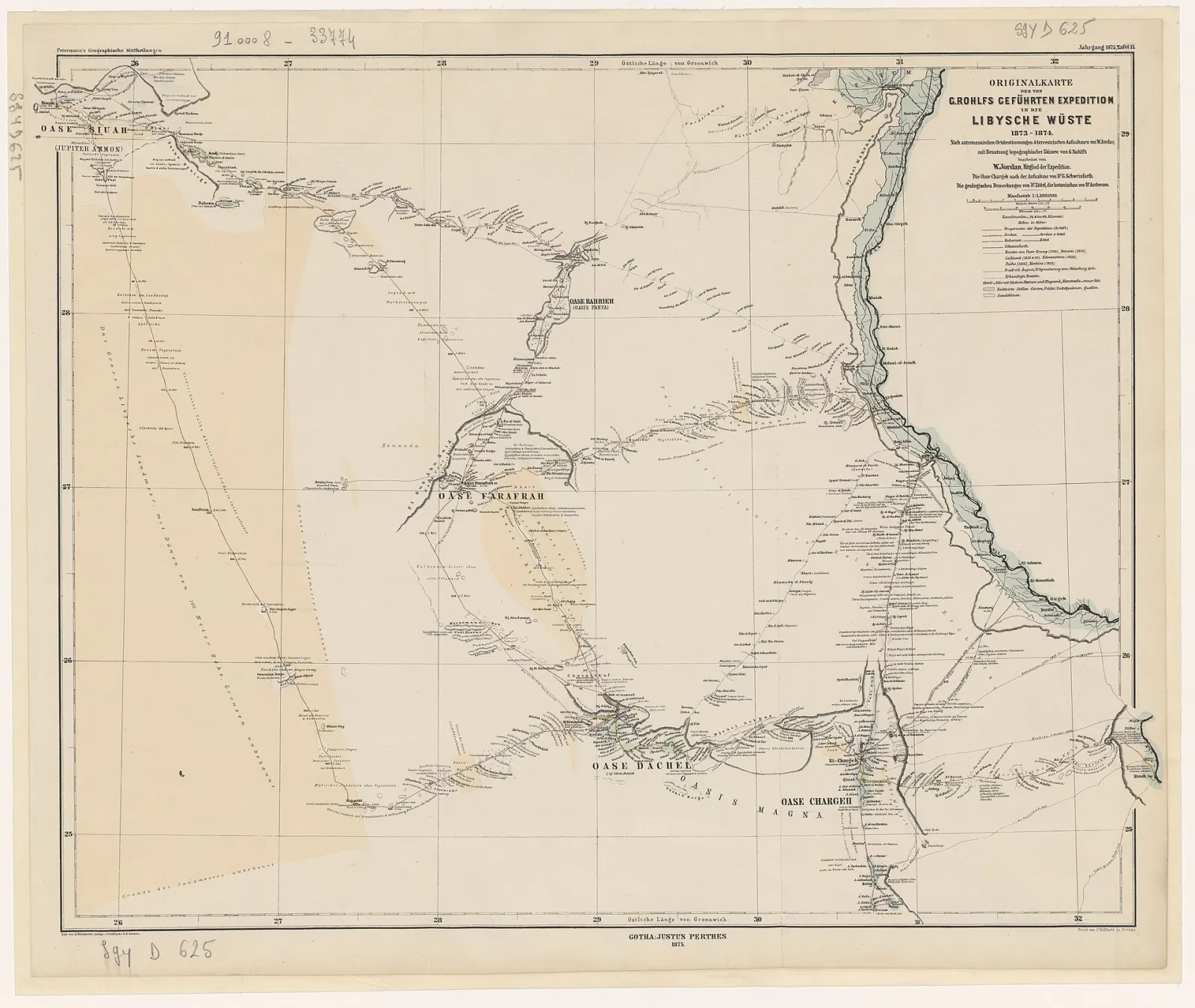
Explorers of Egypt's Western Desert
Eight explorers or teams filled in the map between 1818 and 1945. Belzoni reached Bahariya in 1819, Rohlfs' expedition reached Djara in 1873, Ball and Beadnell surveyed the oases from 1897, Hassanein reached Uweinat in 1923, Prince Kamal el-Din named the Gilf Kebir in 1925–26, Bagnold drove Fords in from 1929, Almásy found the Cave of Swimmers in 1933 and Fakhry found Bahariya's Alexander temple in 1938.
9 min read
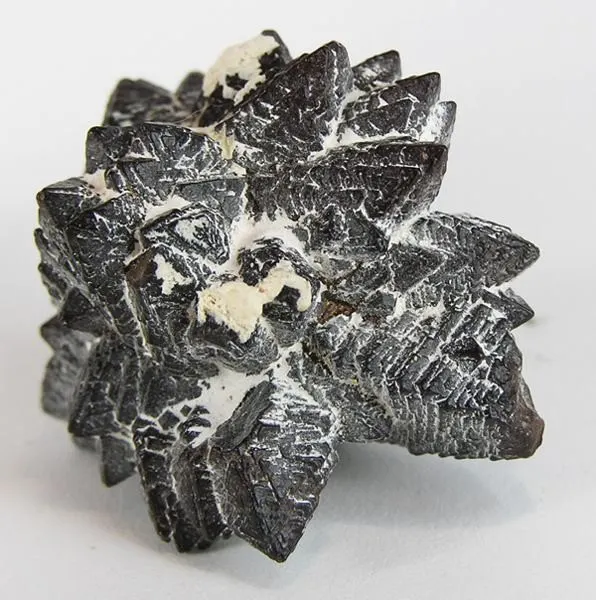
Fossils and 'desert flowers' in the White Desert
The White Desert's chalk is a sea floor laid down about 72 million years ago, around the Campanian-Maastrichtian boundary. Its 'desert flowers' are iron nodules that grew inside it: a Hamilton College study found they are mostly goethite that has replaced the original marcasite and pyrite. Egyptian law forbids removing rocks from the protected area, so photograph them and leave them.
10 min read
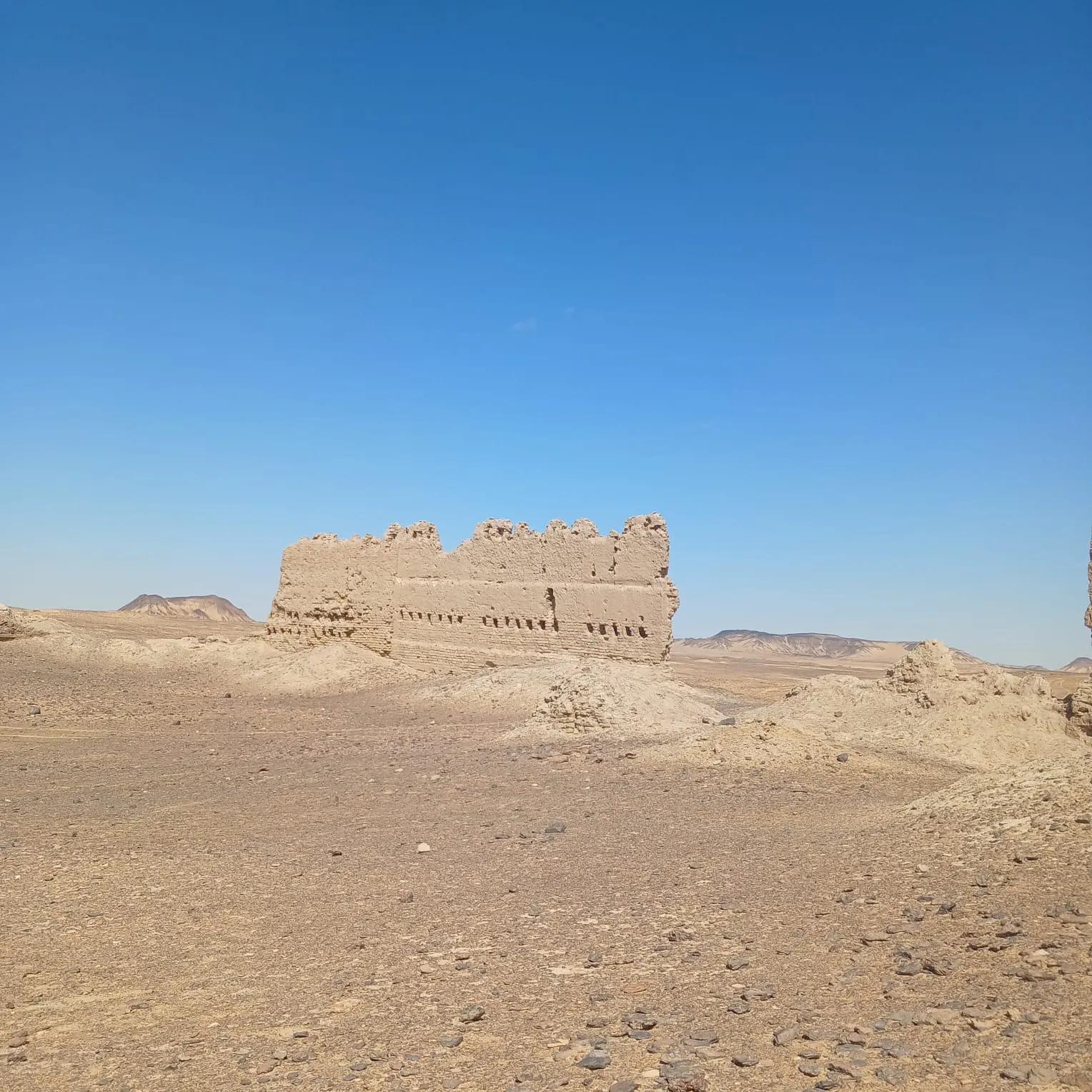
History of the White Desert and Bahariya
People have used this desert for at least 8,600 years, on chalk laid down 70 to 80 million years ago. Hunters camped at Djara about 8,600 to 6,000 years ago, pharaonic Bahariya was famed for wine, its 26th-dynasty tombs and Roman Golden Mummies survive near Bawiti, and the park was protected in 2002.
10 min read
Temple of Alexander the Great, Bahariya
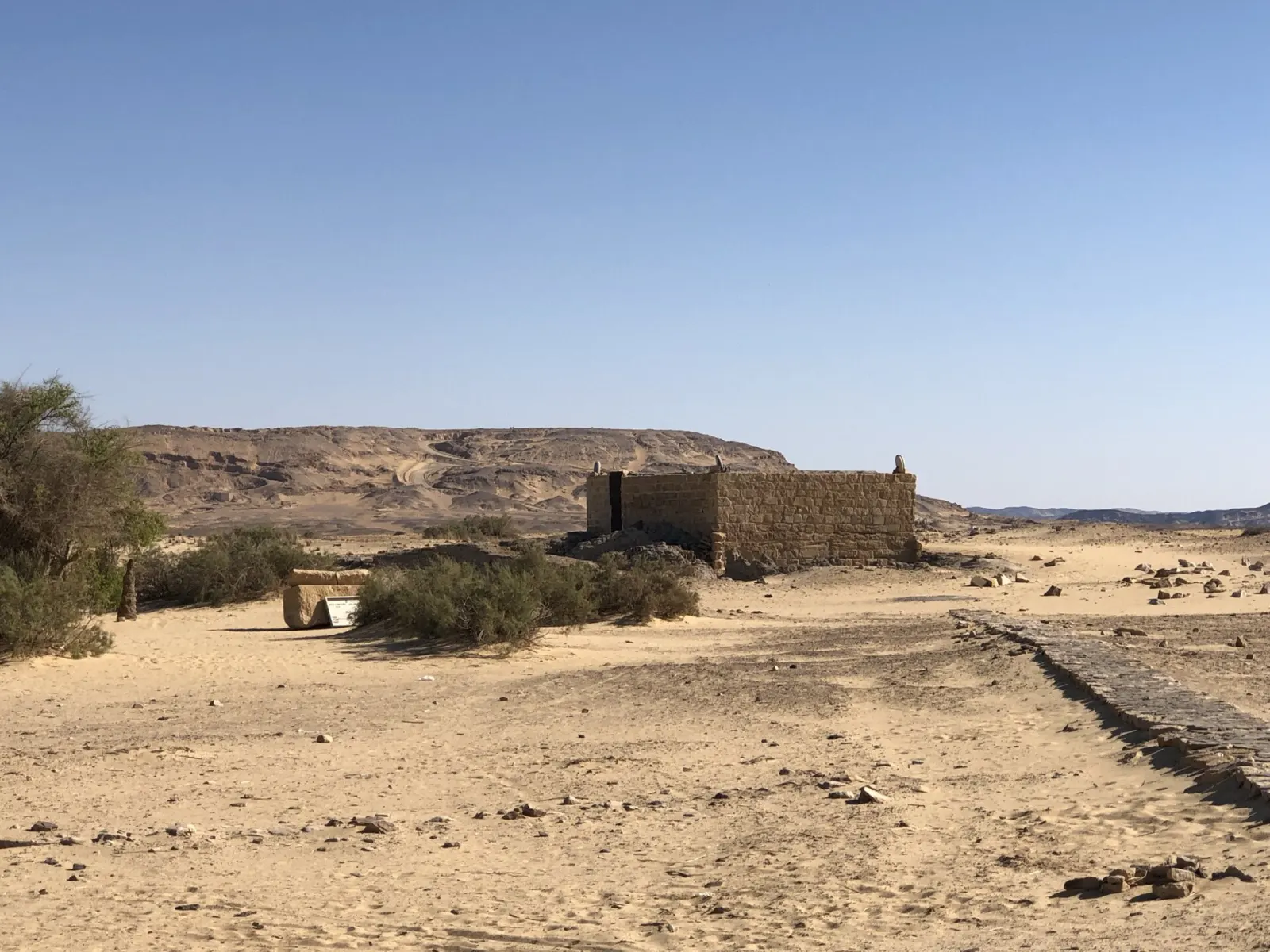
The Temple of Alexander is a ruined temple to Amun about 5 km west of Bawiti in Bahariya Oasis, built in the name of Alexander the Great, who conquered Egypt in 332 BC and visited the oracle at Siwa. Only low walls remain, but it is one of very few monuments in the Western Desert that carry his name.
8 min read
The food of Bahariya and Farafra: dates, olives, desert bread and tea
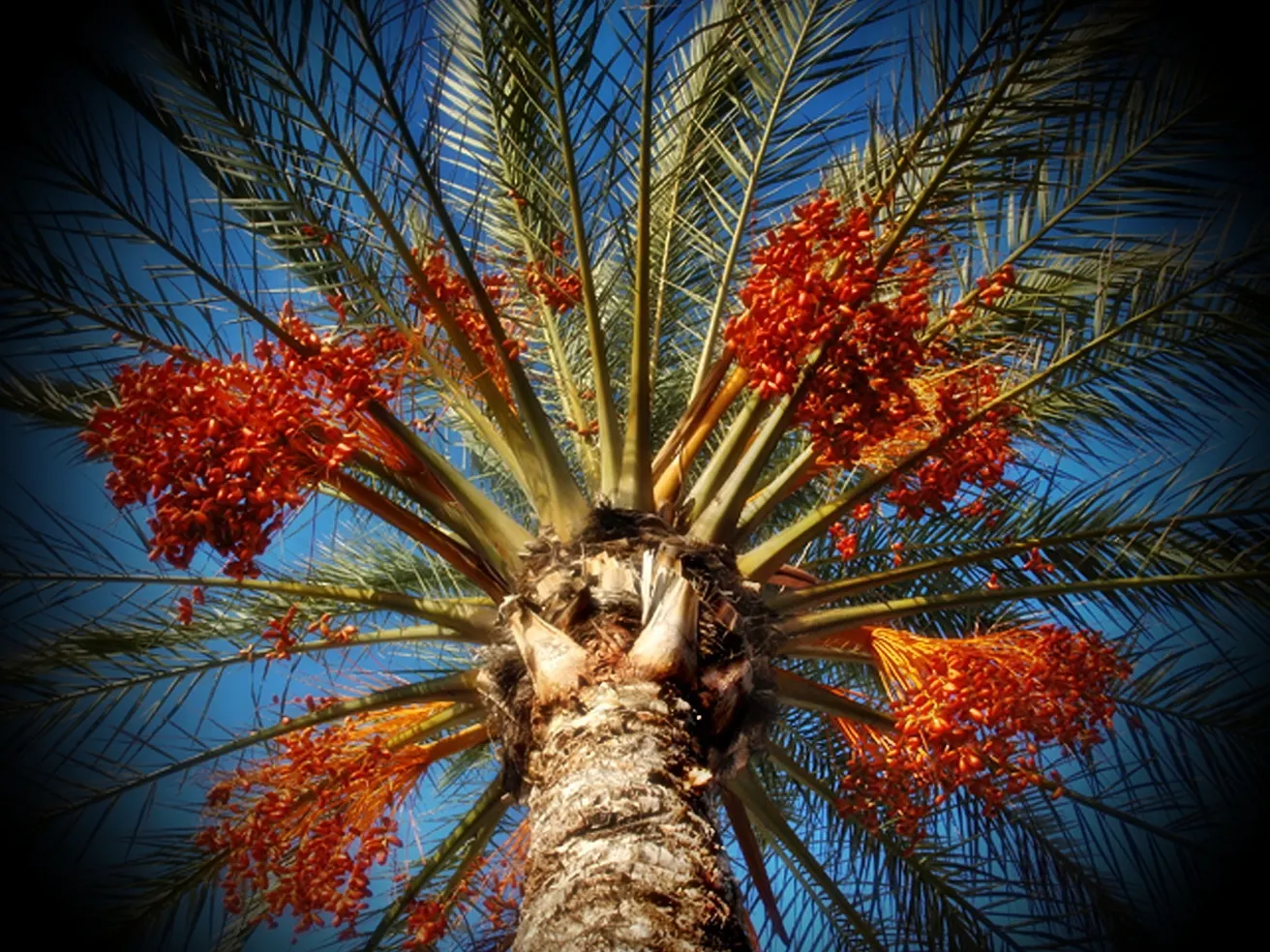
Bahariya gets about 4 mm of rain a year, so every oasis crop is watered from ancient groundwater. Its main products are guavas, mangoes, dates and olives; Farafra's spring gardens add citrus, apricots and carob. Meals are Egyptian home cooking: fuul, rice, vegetable stews, grilled chicken and lentil soup, with sweet tea, Egypt's national drink.
Questions people ask
How much is the Bahariya antiquities ticket?+
About EGP 400 for foreigners since 1 October 2026 (was about EGP 100); check on the day. A combined ticket has usually been sold at the museum in Bawiti, and guards at the tombs check it. Bring Egyptian pounds in cash, because ticket offices may not take cards.
How long do I need for Bahariya's ancient sites?+
About three to four hours for the museum, the painted tombs, Ain el-Muftella and the Temple of Alexander, with short drives between them. Two hours is enough for the museum and the painted tombs alone. The sites open in the morning and close by mid-afternoon, and hours change.
Are the museum and tombs on the two-day White Desert trip?+
No. On our two-day trip Bawiti is a lunch stop and the sites are not on the route. Our three-day trip gives the afternoon of day 1 to Bawiti for the museum, the painted tombs, a warm spring and sunset on English Mountain. Museum entry is in that trip's price; tomb tickets are paid on the day.
Can I visit the Valley of the Golden Mummies?+
No, the cemetery is closed to visitors and most of it is still unexcavated. A selection of the gilded Greco-Roman mummies is shown in the small antiquities museum in central Bawiti, and a visit takes 20 to 30 minutes.
Is there anything to see of Bahariya's dinosaurs?+
Very little on the ground. Spinosaurus was described from fossils found in Bahariya in the early 1900s, but the originals were destroyed in the bombing of Munich in 1944. There is no dinosaur museum and no bones on display, but you can see the setting, such as Gebel el-Dist, the lone pointed hill near Bawiti where the fossils were dug.