
The short answer
Mosquitoes in the White Desert are mostly an oasis problem: they breed around the springs, palm gardens and irrigation channels of Bahariya and Farafra, and bite at dusk. Out on the dry chalk plain there are far fewer, though a few can reach camp on still, warm evenings from September to November. Flies gather at lunch; scorpions are rare and hardly move in winter.
Ask us on WhatsAppThe surprise: mosquitoes in a desert
Short answer: Mosquitoes need water, so they live where the water is: the springs, gardens and canals of the oases, not the dry chalk plain.
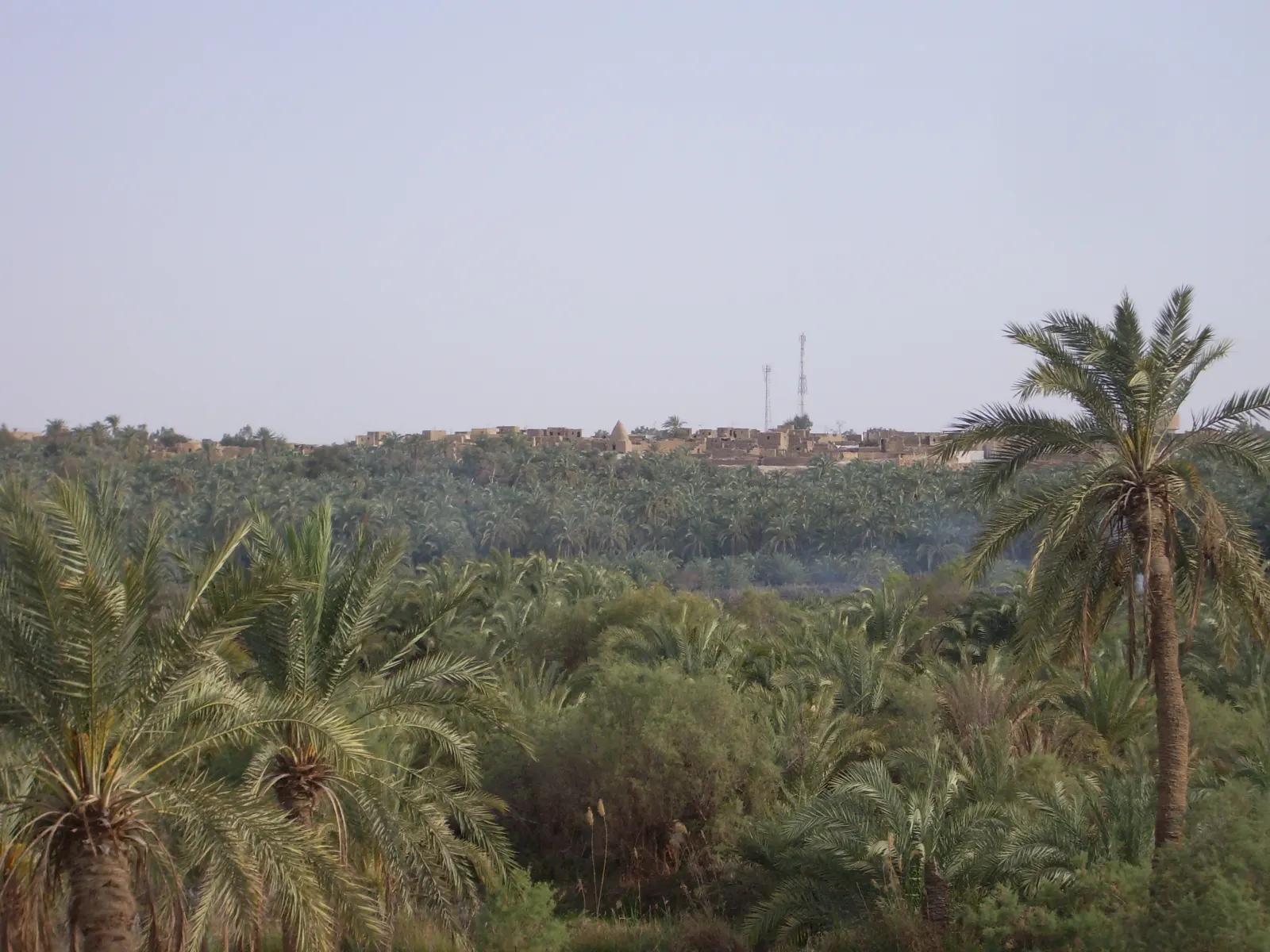
Guests are often surprised to be bitten on a desert trip. It makes sense once you see Bahariya. The oasis sits in a depression fed by many springs and wells. Bawiti's palm gardens are criss-crossed by irrigation channels, and warm pools like Bir el-Matar and the springs around town hold still water all year. That is perfect mosquito country, especially at dusk.
The White Desert itself is different. The chalk plain between the Black Desert and Farafra is one of the driest places on Earth, with essentially no rain. Without standing water, mosquitoes can't breed there. What you meet at camp are a few strays, carried on a still evening from the springs or attracted by lights.
Where and when you'll meet them
Short answer: Worst in the oases at dusk from late spring to autumn; light in the open desert; rarely a problem in December and January.
| Place | Mosquitoes | Flies | Notes |
|---|---|---|---|
| Bawiti palm gardens and springs | Many at dusk, Apr–Nov | Common by day | Repellent at sunset |
| Hot spring pools (Bir el-Matar, Bir Sitta) | Some around dusk | Some | Soak earlier in the afternoon |
| Ain Khadra spring | A few | Some at lunch | A green spot in the desert |
| Black Desert, Crystal Mountain, Agabat | Very few | Few | Dry and open |
| Old White Desert camp | Few; some on still warm nights | Few after lunch | Lantern light attracts insects |
| Farafra gardens | Many at dusk in warm months | Common | Like Bahariya |
By season, roughly:
- December to February: cold nights, very few mosquitoes anywhere in the desert. Some in the oasis gardens on milder evenings.
- March to May: numbers rise as it warms; windy days keep them down.
- June to August: hot, with mosquitoes in the oases at night; the open desert stays dry.
- September to November: the season when guests most often notice bites at camp, on still, warm evenings.
Climate context: Farafra's average January low is about 4°C, while July's is about 22°C. See weather and night temperatures.
Flies at lunch
Short answer: Flies are a daytime nuisance in the oases and at picnic stops; they fade once food is packed away.
Flies follow people, food and livestock. In Bawiti's gardens and at lunch stops near springs, a few will find your plate. Our crew uses covers and packs food away quickly. In the open desert, flies thin out as soon as the meal is cleared. If they bother you, a light scarf over the face while you rest helps. A fly net for the head is overkill for most trips.
Scorpions, spiders and snakes
Short answer: Scorpions and horned vipers live here but are rarely seen, especially in the cold season; simple habits keep you safe.
The desert has scorpions, the occasional camel spider and the horned viper. All are shy, mostly nocturnal, and avoid people and fires. By day they hide under rocks, in crevices and in burrows. In the cold season, roughly November to March, scorpions shelter under rocks and hardly move, so sightings are rarer still. In warm months they are more active at night, which is when the few stings we hear of happen.
Habits that make encounters very unlikely:
- Shake out shoes, boots and clothes before putting them on.
- Keep your bag zipped and off the sand at night, and zip the tent if you use one.
- Use a head torch when walking around camp after dark.
- Don't lift rocks or reach into crevices with bare hands.
- Wear closed shoes, not sandals, for night walks.
- Don't wander barefoot away from the mattresses.
If someone is stung or bitten:
- Keep them calm and keep the limb still, below the level of the heart.
- Take off rings, watches or tight shoes near the sting before it swells.
- Don't cut, suck or put a tight band round it.
- Tell the guide straight away.
Most scorpion stings here are painful rather than dangerous for a healthy adult, but children, older travellers and anyone who reacts badly need checking quickly. Our crews carry a first-aid kit and know the quickest way back to medical help in Bawiti or Farafra. The wider kit list and where the hospitals are sit in health and first aid.
Foxes and beetles at camp
Short answer: Most of what moves at camp after dark is harmless: small desert foxes, beetles and the odd moth drawn to the lantern.
Fennec and Rüppell's foxes often visit after dinner; keep snacks zipped away and don't feed them. Which animals you might see, and how to read their tracks at dawn, is in our wildlife guide.
What to bring
Short answer: Repellent, after-bite cream, light long layers for dusk, closed shoes and a head torch.
- Insect repellent with DEET or picaridin, for evenings in the oases
- After-bite cream or antihistamine tablets if you react badly
- Long, light sleeves and trousers for dusk, which you'll want for the cold anyway in winter
- Closed shoes or trainers for camp at night
- A head torch, so you see where you step
- A small zipped bag for snacks, so foxes and ants don't get them
- Optional: a lightweight net if you're very sensitive and travelling May to October
The choice of repellent in Bawiti is limited, so bring it from home or buy it in Cairo. See packing list and what to wear.
Lodge nights and hotels
Short answer: In Bahariya hotels, close windows at dusk, ask about screens and use repellent; rooms near the springs and gardens get more.
Lodges in Bawiti sit among palm gardens, so mosquitoes are part of oasis life from spring to autumn. Close windows before dusk, use a plug-in repellent if the room has one, and keep the door shut while the light is on. Air-conditioned rooms help in summer. See hotels in Bahariya.
Our advice
Short answer: Spray at sunset in the oases, cover up at dusk, keep camp lights low, and travel December to February if bites really worry you.
At camp, we keep lanterns low and slightly away from where you sit, which draws fewer insects. If you're travelling in autumn, put repellent on before sunset rather than after the first bite. If insects are a real concern, the coldest months are the quietest. See best time to visit.
Questions people ask
Are there mosquitoes in the White Desert?+
A few, sometimes. The open chalk plain is dry, so mosquitoes are far fewer than in the oases. On still, warm evenings, mainly in autumn and late spring, some reach camp, especially near springs like Ain Khadra. In December and January they are rarely a problem.
Are there mosquitoes in Bahariya Oasis?+
Yes. Bawiti's palm gardens, hot springs and irrigation channels are where mosquitoes breed, and they bite at dusk and at night, especially from late spring to autumn. Use repellent at sunset, and close windows or use the room's screen or net.
Is there malaria in the White Desert or Bahariya?+
Egypt is not considered a malaria-risk country for travellers, and the Western Desert oases are not malaria areas. Bites are a nuisance rather than a health concern for most people. Check your own country's travel health advice before you go.
Are there scorpions in the White Desert?+
Yes, but they are rarely seen, especially in the cold season from November to March, when they shelter under rocks and hardly move. Shake out your shoes in the morning, use a torch at night, and don't lift rocks with bare hands.
What should I do if I'm stung by a scorpion in the desert?+
Keep calm, keep the stung limb still and tell the guide straight away. Don't cut or suck the sting, and take off rings or watches near it before it swells. Most stings here are painful rather than dangerous, but we drive to Bawiti or Farafra hospital if needed.
Why are there so many flies at lunch?+
Flies follow people, food and animals in the oases and at the picnic spots near springs. They're worst at midday in warm months and in Bawiti's gardens. Out in the open desert they usually thin out once food is packed away.
What insect repellent should I bring to the White Desert?+
A DEET or picaridin repellent for evenings in the oases, plus after-bite cream. Long, light sleeves and trousers at dusk do as much as any spray. The choice in Bawiti is limited, so bring it from home or Cairo.
Go with us
Trips that include this

2 days, 1 night
White Desert overnight camping trip from Cairo (2 days, 1 night)About US$185 to 230 shared · US$360 to 460 private, per person
Check dates
3 days, 2 nights
3-day White Desert tour: Bahariya, the White Desert and two nights outAbout US$495 to 660 per person for two travellers, private
Check dates