
The short answer
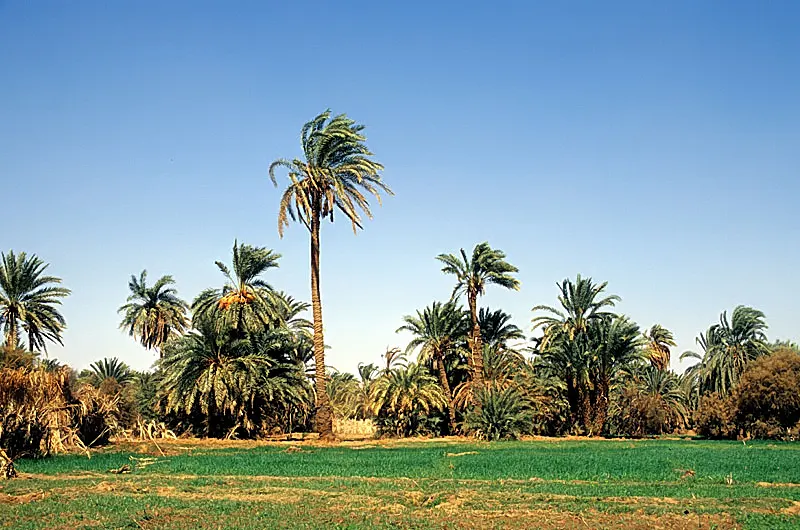
Bahariya and Farafra are home to farming communities descended from the ancient oasis people and from Bedouin families who settled over the centuries. Life revolves around springs, palms, olives and guavas, and increasingly tourism: most White Desert drivers and cooks are local. People are conservative, warm and hospitable; modest dress and a little Arabic go a long way.
Ask us on WhatsAppThe people of the oases
Short answer: Farming families with ancient oasis roots, joined over the centuries by Bedouin and settlers from the Nile valley.
People have lived in Bahariya and Farafra since prehistoric times. The springs that made them oases also made them stops on the caravan routes between the Nile, Libya and the other oases. Today's families descend from the old oasis communities, from Bedouin tribes who settled there, and from people who came from the Nile valley and elsewhere. Some villages keep a sense of where they came from: in Bahariya, the village of El Agouz is known for its links to Siwa. Most people are Muslim, and life follows the rhythm of prayers, the farming year and family occasions.
Bahariya and Farafra compared
Short answer: Bahariya is bigger, busier and more connected; Farafra is smaller, quieter and more traditional.
| Bahariya | Farafra | |
|---|---|---|
| Main town | Bawiti, with El Qasr next door | Qasr el-Farafra |
| Villages | Mandisha, Zabw, El Agouz, El Harra and others | New farming villages around the old town |
| Feel | A small town with shops, cafés and hotels | A quiet village with a mud-brick old quarter |
| Livelihoods | Dates, olives, fruit, tourism, the iron mine | Dates, olives, new farmland, some tourism |
| Visitors | Most White Desert trips stop here | Mostly on three-day trips |
Read Bahariya Oasis and Bawiti and Farafra Oasis.
Making a living
Short answer: Palms, olives and fruit watered by deep wells, plus tourism and, in Bahariya, iron mining.
Farming is the heart of oasis life. Wells and springs water palm groves, olive groves, orchards of guava and mango, and fields of vegetables and fodder. Bahariya's dates and olives are sold across Egypt. In Farafra, newer farms have spread out from the old town on land reclaimed from the desert. Desert tourism is the other big employer: driving, cooking, running camps and hotels. Most White Desert crews come from these families. Between Cairo and Bawiti, the large iron-ore mine of Bahariya, linked to the Nile valley by railway, has provided work for decades.
Food and hospitality
Short answer: Hospitality starts with a glass of sweet tea, and refusing it can seem cold.
Oasis families cook simple home food of rice, stews, beans and chicken, with dates on every table and lamb for feasts. Accept at least one glass of tea when it's offered. The dishes, dates and tea culture are covered on the food of the oases.
Mud-brick, palm and concrete
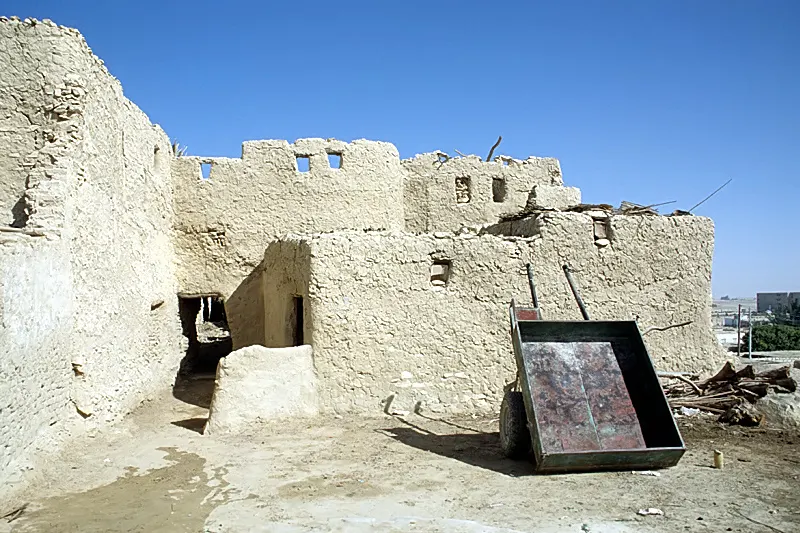
Short answer: The old quarters are mud-brick and palm wood; most families now live in concrete houses built beside them.
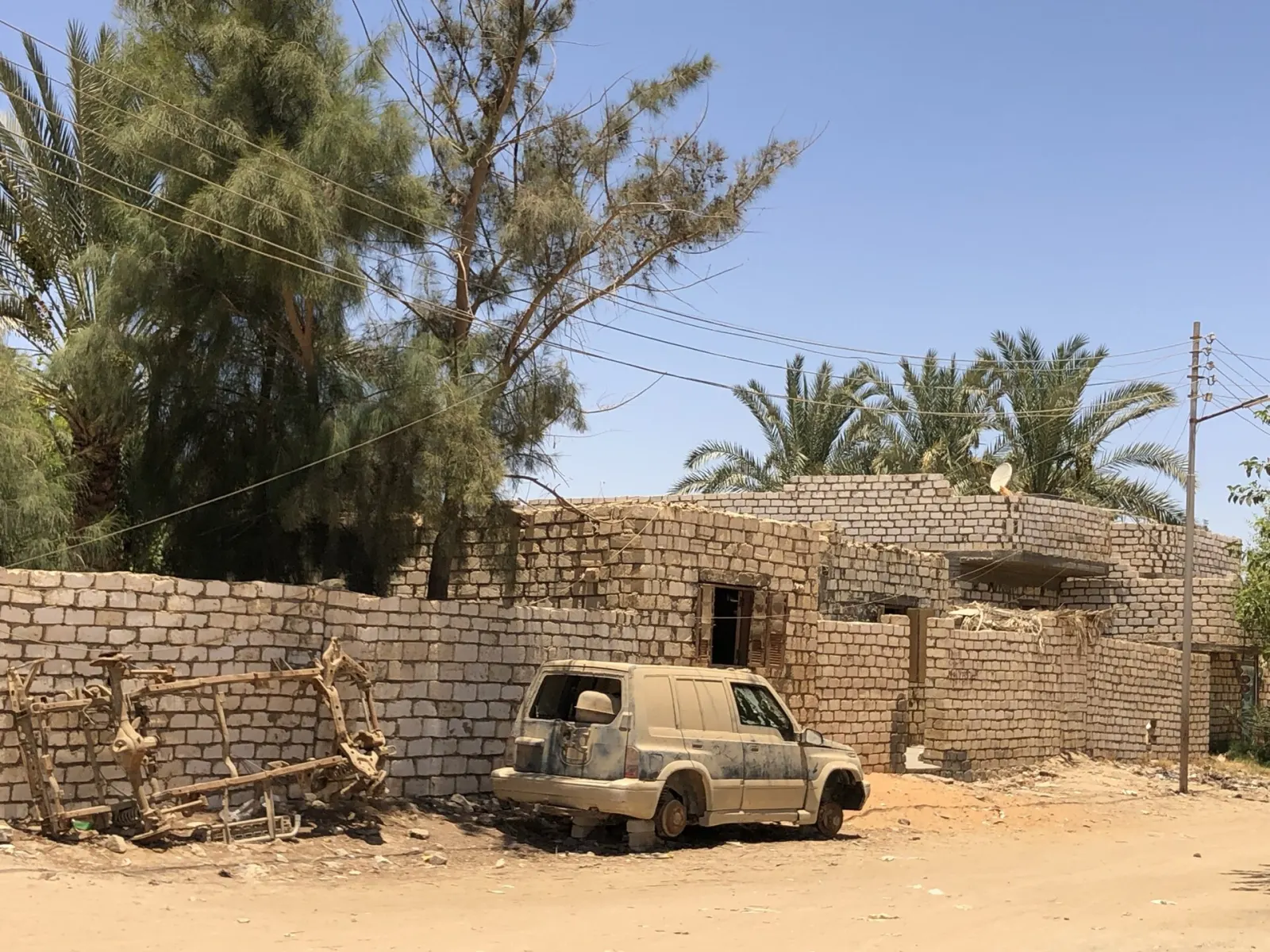
Traditional oasis houses were built from sun-dried mud brick, which keeps rooms cool in summer and warm on winter nights. Roofs were laid on palm-trunk beams and covered with fronds and mud. You can still see this in the old hill-top quarter of Qasr el-Farafra and in the lanes of old Bawiti and El Qasr, though many old houses are empty or crumbling. Newer homes are concrete, often painted in bright colours, with flat roofs used for drying dates and sleeping out on hot nights. Palm fronds still make fences, shade roofs and the walls of many desert camps and eco-lodges.
A day in the oasis
Short answer: Work starts early, the hottest hours are for rest, and evenings are for family, cafés and visits.
| Time | What you'll see |
|---|---|
| Dawn to late morning | Farmers in the palm gardens, the bakery queue, donkey carts and pick-ups on the road |
| Midday | Shops shut for a while, especially in summer and on Friday for prayers |
| Late afternoon | Children out on bicycles, men in cafés, tea on doorsteps |
| Evening | Grills lit on the market street, family visits, weddings in season |
Visitors who only see the oases from a car window miss most of this. An hour's walk through Bawiti at 5 pm tells you more about oasis life than any museum.
Dress, music and family life
Short answer: Conservative dress, strong family ties, weddings with music and dancing, and songs around the campfire.
Men often wear the long galabiya robe and a scarf or cap. Women usually dress conservatively in public, and you'll see few women in cafés. Family is central, and weddings are big, joyful events with drums, singing and celebration that can last into the night. At camp, many crews bring a drum and sing songs by the fire. Clapping along is welcome. Life slows down in the heat of the day and comes alive in the evening.
Festivals and the calendar
Short answer: Ramadan, the two Eids and the date harvest shape the year.
During Ramadan, people fast from dawn to sunset, and the evenings are lively. The two Eid holidays are times for family visits and new clothes. In autumn, the date harvest brings everyone out to the palm groves. If you travel during Ramadan, crews still run trips and your meals at camp are normal; read Ramadan.
Being a good guest
Short answer: Dress modestly in town, ask before photographing people, accept tea and learn a few words of Arabic.
- Dress: cover shoulders and knees in towns and villages. In the desert, wear what's comfortable. Women don't need to cover their hair.
- Photographs: ask before photographing people, especially women and children. Many people are happy to pose, but some prefer not.
- Tea: accept it when offered. It's hospitality, not a sales pitch.
- Left hand: eat and pass things with your right hand where you can.
- Ramadan: avoid eating, drinking or smoking in public during the day.
- Tipping: it's customary for drivers, cooks and helpers; see what a trip costs.
A few useful words
Short answer: Seven words of Egyptian Arabic will earn you smiles in every shop and café.
| English | Arabic |
|---|---|
| Hello | Salaam aleikum |
| Thank you | Shukran |
| Yes / no | Aywa / la |
| Beautiful | Gameel |
| How much? | Bekam? |
| Delicious | Lazeez |
| Goodbye | Ma'a salama |
Meet the oasis
Short answer: On a private trip we can add tea in a palm garden, a farm visit or a walk through old Bawiti.
Our crews are from Bahariya and know the families, farms and gardens of the oasis. Message us on WhatsApp with "oasis life" if you'd like to spend time in the villages as well as the desert.
Questions people ask
What should I wear in Bahariya?+
Clothes that cover shoulders and knees in town. In the desert, comfort comes first and nobody minds. Women don't need to cover their hair.
Are the White Desert crews Bedouin?+
Many drivers describe themselves as Bedouin, from families with desert roots, while others are from long-settled oasis families. Either way, they know the desert intimately.
What language do people speak in Bahariya and Farafra?+
Egyptian Arabic, with a local oasis accent and words of its own. In the hotels and among drivers, English is common. A few words of Arabic are always appreciated.
Can I photograph people in Bahariya and Farafra?+
Ask first, every time, and take no for an answer. Men and children are often happy to pose; many women prefer not to be photographed. Markets, palm gardens and the old mud-brick quarters are fine to photograph from the street.
What is the weekend in the oases?+
Friday is the main day off and the day of midday prayers, when shops close for a while. Saturday is also a weekend day for offices and schools.
Can I visit a local home or farm?+
Often, yes. On a private trip, our crew can arrange tea in a palm garden or a visit to a family farm in Bahariya. Bring a small gift, such as sweets from Cairo, and accept the tea that's offered.
Go with us
Trips that include this

3 days, 2 nights
3-day White Desert tour: Bahariya, the White Desert and two nights outAbout US$495 to 660 per person for two travellers, private
Check dates